
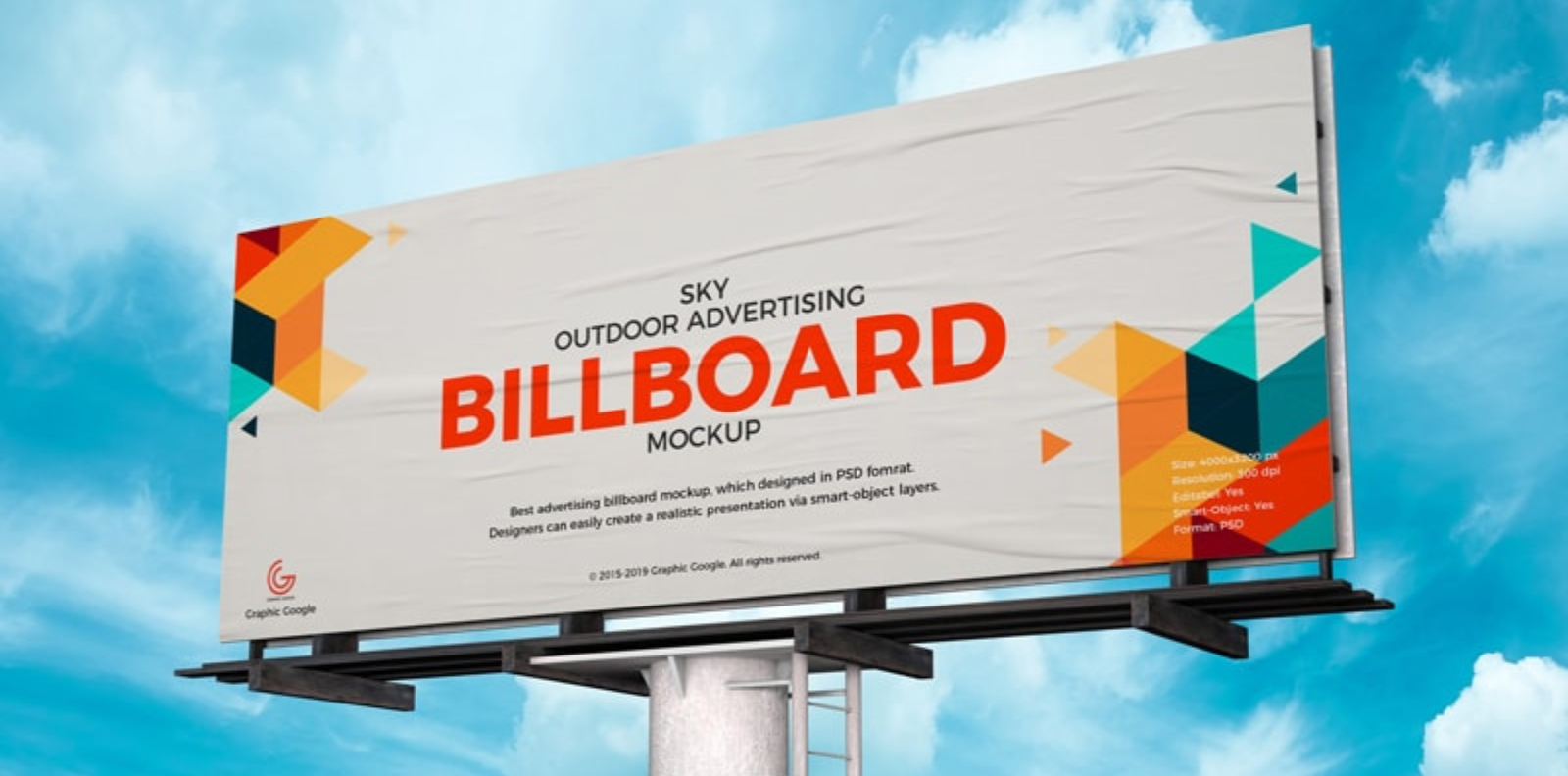
It’s 2026. Digital ads are everywhere — popping up, sliding in, interrupting videos, crowding your screen. People skip them. Block them. Scroll right past. But one old-school format refuses to fade. Hoardings. Big, bold, unapologetic. Still standing tall across North India, from the noisy streets of Delhi to the busy highways of Punjab. And surprisingly… still delivering results.
Strange, right? With all the tech around us, why are brands still going for hoarding ads? Let’s walk through the real story. Because there is a story. One that starts on the road, in traffic, in markets, and right above our heads.
A Quiet Power People Don’t Notice — But Feel
Picture this. You’re driving through a crowded North Indian market. Buses honk. Scooters squeeze through gaps. People rush from all sides. And in the middle of this everyday chaos, one giant visual grabs your eye. A bright hoarding. Clean design. Clear message. No skipping. No closing the tab. It’s just… there. It speaks without speaking. It sells without pushing. It reminds without being annoying.
This is why hoarding advertising still works. It’s unavoidable. Passive. But powerful. People see it every day without trying. And that repetition sticks in their head like a familiar tune. Brands love that. Because familiarity breeds trust.
Digital Fatigue Is Real
We’re tired. Tired of screens. Tired of pop-ups. Tired of ads chasing us everywhere. In 2026, users have more control over what they don’t want to see online. Ad blockers. Skipping. Privacy settings. All that stuff. But outdoor ads? No blocking. You step outside. You see them. Simple. Even brands in North India, especially in cities like Chandigarh, Amritsar, Lucknow, and Delhi NCR, are realizing this shift. They’ve gone back to basics. Large visuals. Short messages. Strong impact. And suddenly, hoarding ads feel fresh again — even though they’ve existed for decades.
The Screen-to-Street Gap Is Growing
In today’s world, people trust what feels “real.” Not just digital. Something they can see in their physical surroundings. That’s where OOH (out-of-home) media shines. And yes, ooh advertising still gives brands a sense of legitimacy.
Think about it. If a brand can afford a premium hoarding in a high-traffic North India location, it must be serious. Right? That’s the perception. And perception shapes reputation. Brands know this. Agencies like Sky High Media Services know this even better. They study the flow of people, the hotspots, the visibility angles, and the psychology behind outdoor exposure. They understand that a strategically placed hoarding in North India can do what 10 digital ads sometimes can’t — instantly boost local trust.
Out of Home Marketing Isn’t Old — It’s Reinventing Itself
A lot of people think out of home marketing as “traditional.” Outdated, Slow, but the truth is: it’s evolving quietly. Today, hoardings aren’t just big boards with static images.
They’re:
- LED hoardings
- Dynamic visuals
- High-brightness panels
- Weather-resistant flex
- Targeted placements
- Location-based creative planning
And—most importantly—they’re integrated with digital strategies. A brand runs a hoarding on a major North India highway, and at the same time, pushes supporting content online. Both channels reinforce the same message. That’s how modern marketing works. Offline support online. Online amplifies offline. The synergy? Strong. The results? Even stronger.
Humans Remember What They See Repeatedly
Let’s be honest. People forget fast. Like, super fast. But not everything. Some visuals stay. A bold blue background. A quirky headline. A catchy brand line. A celebrity face looking straight down at you. We remember these things even months later.
That’s why hoarding advertising still delivers. It uses repetition. Visibility. Scale. Simple psychology. And in the north regions — where streets are crowded, highways are packed, and footfall is massive — repetition happens naturally. One hoarding on the route you take daily? That’s hundreds of impressions in a month. Multiply that with several hoardings, and boom — brand recall shoots up. Ask local businesses in Punjab or UP. Or national brands running campaigns through Sky High Media Services. They’ll tell you one thing — hoardings work because people can’t help but look at them.
Storytelling Through Space, Not Screens
Digital storytelling? Sure, it works. But outdoor storytelling? It’s a different game. A single hoarding can tell a micro-story in one glance. And sometimes, that’s all a brand needs. A new product launch? A festival offer? A brand credibility message? A simple “We’re here now”? Hoardings deliver them fast. Clean. Loud. Impactful. The beauty is in their limitations.
They force brands to be concise. They force designers to think big. They force marketers to prioritize the message. No clutter. No overload. Just pure visual storytelling. And honestly, in 2026, that simplicity feels refreshing.
Ooh Advertising Has a Trust Factor That Digital Struggles With
People trust what they can physically see. A hoarding outside a mall or on a highway feels more “real” than a banner ad squeezed on a phone screen. That physical presence gives authority. This is exactly why ooh advertising remains a core part of brand strategy in the north regions. Whether it’s a tech company launching in Noida or a retail brand opening a new showroom in Ludhiana — outdoor presence adds legitimacy. Sky High Media Services has built campaigns where just one strong hoarding placement generated footfall spikes of 20–40% in certain areas. Why? Because when people see something physically, their belief doubles.
Out of Home Marketing Reaches the Unreachable
Not everyone is online. Not everyone is scrolling Instagram. Not everyone clicks ads. But everyone steps outside. Everyone travels. Everyone glances around. That’s why out of home marketing reaches audiences digital platforms simply miss — workers, daily commuters, rural travelers, older demographics, school parents, and even tourists. In North India especially, the mix is diverse. Hoardings bridge that gap better than any other medium.
Hoarding Ads Are Cost-Effective… If You Choose Right
People assume hoardings are expensive. And yes, premium ones are. But are they worth it? Absolutely. If you pick the right location, a single hoarding can outperform multiple digital ads in terms of visibility and recall.
The trick is choosing smartly:
- High-traffic markets
- Busy junctions
- Major metro routes
- Mall entry/exit points
- Highway toll zones
Agencies specialize in selecting such strategic placements. They evaluate sunlight direction, night visibility, angle of view, and pedestrian movement before recommending a spot. That’s why their north region campaigns perform consistently well.
2026 Isn’t Replacing Hoardings — It’s Reinforcing Them
With AI, data analytics, hyper-personalized ads, and all the tech buzz, you’d think hoardings would be fading out. But no. They’re stabilizing. And growing. Because brands now see them as a credibility booster. A trust builder. A public statement. Digital is fast, yes. But outdoor is permanent. And permanence has value. Even startups in Gurugram or Chandigarh are using hoarding ads as a “brand validation tool.” The logic is simple: if people see us outside, they’ll trust us online too.
Conclusion
Hoardings aren’t going anywhere in 2026. Not in North India. Not for brands that want visibility, trust, and repetition all at once. They’re big. They’re loud. They’re everywhere. And they work — silently but surely. With the right strategy, the right locations, and the right partner like Sky High Media Services, hoarding ads can still outperform many modern formats. Because at the end of the day, people trust what they see. And they see hoardings every day.